



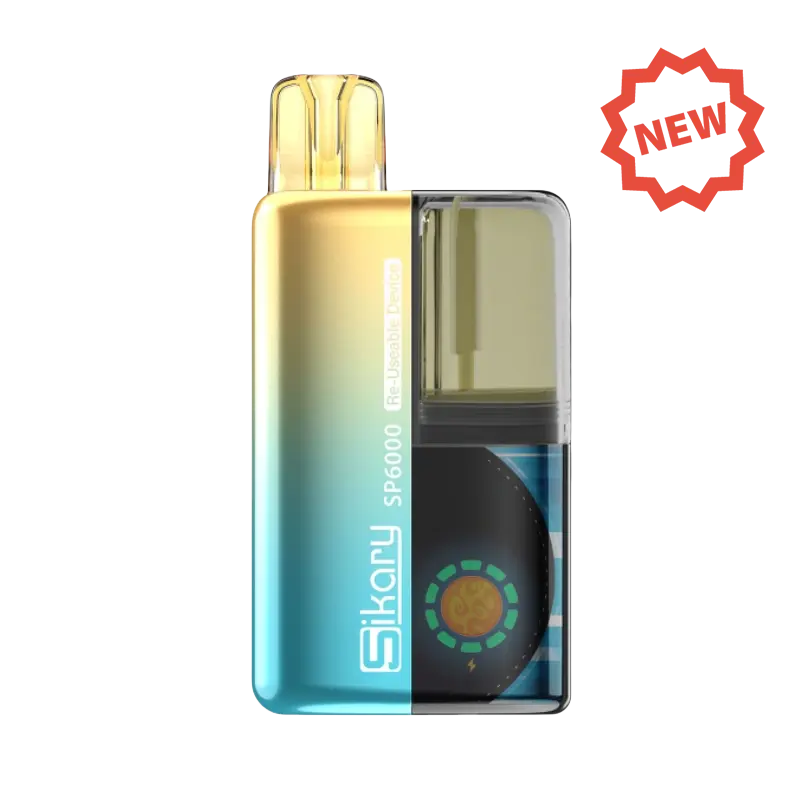
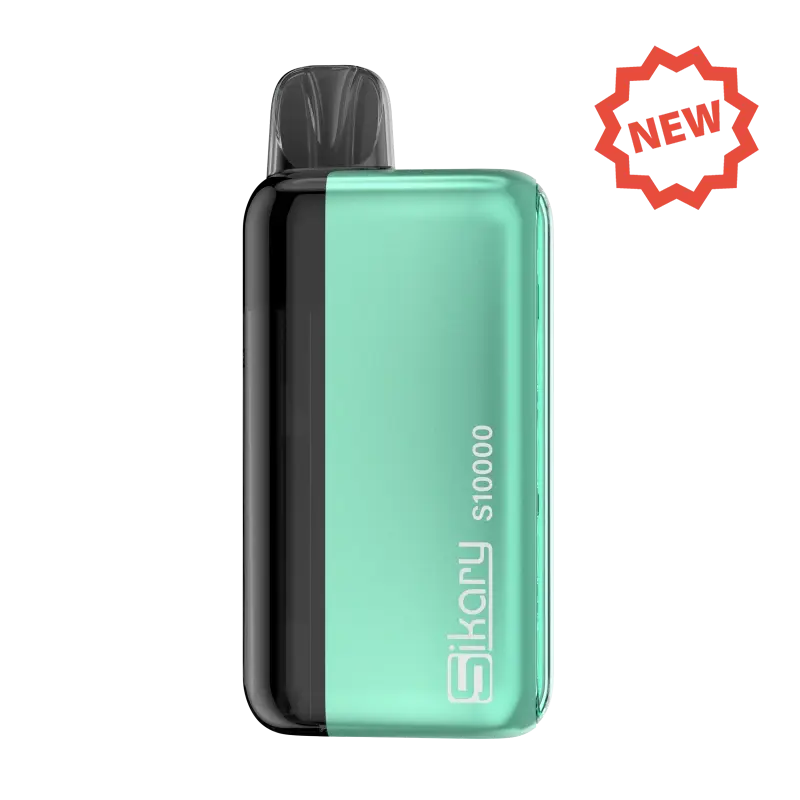
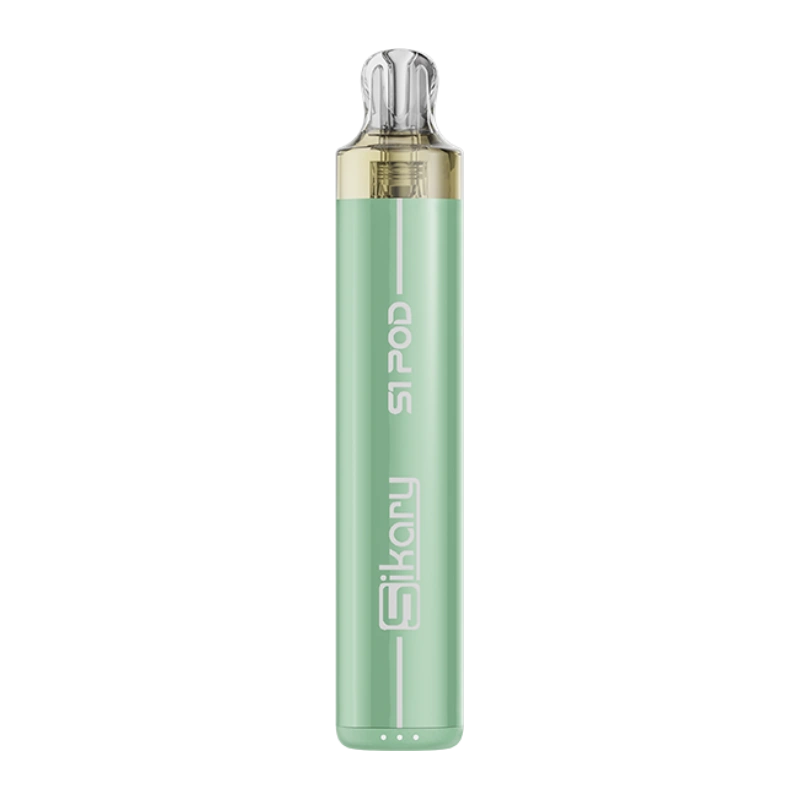
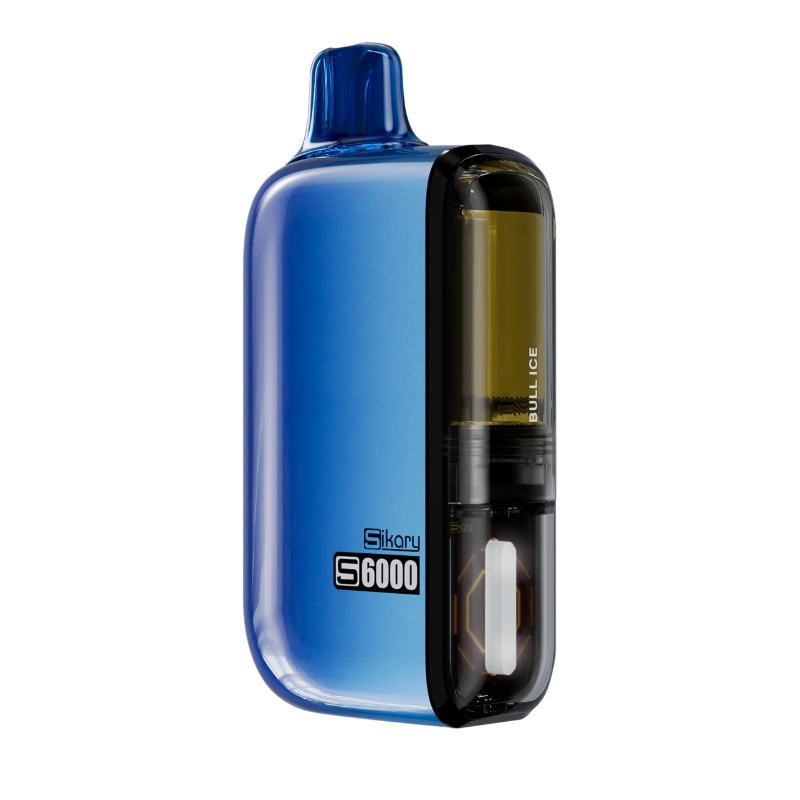
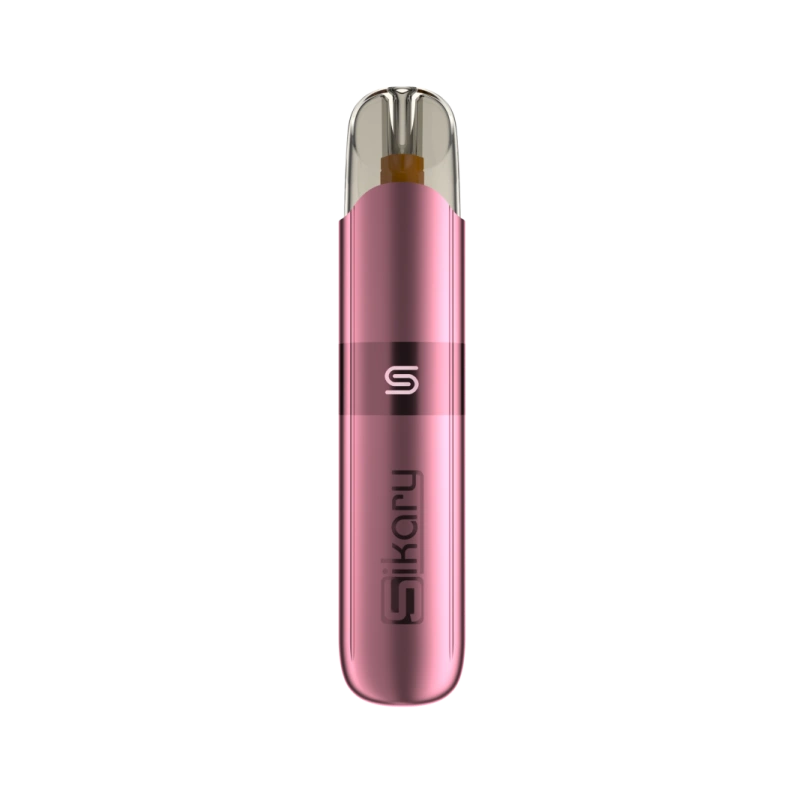
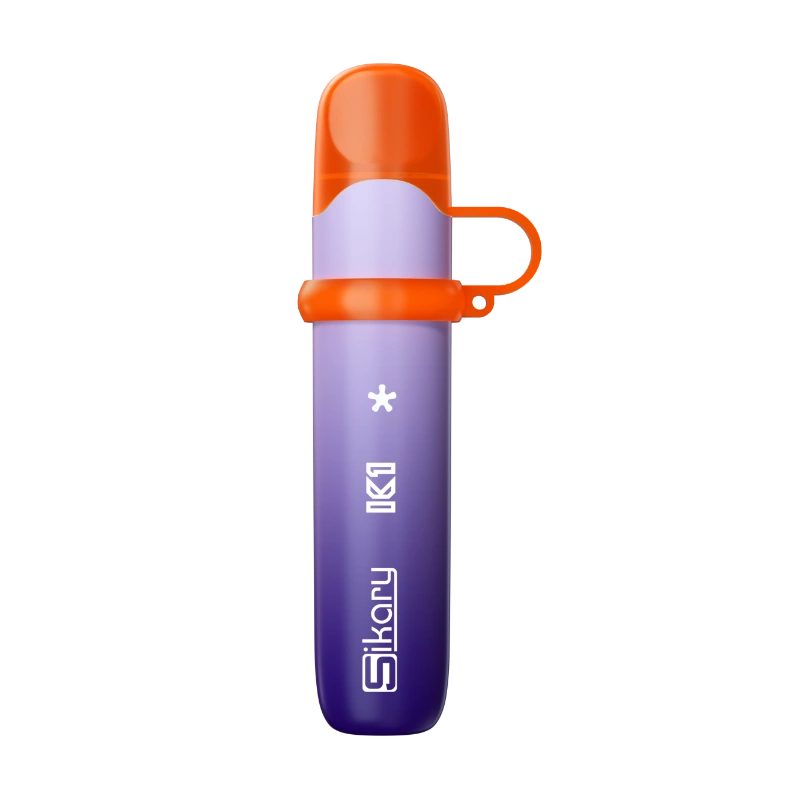
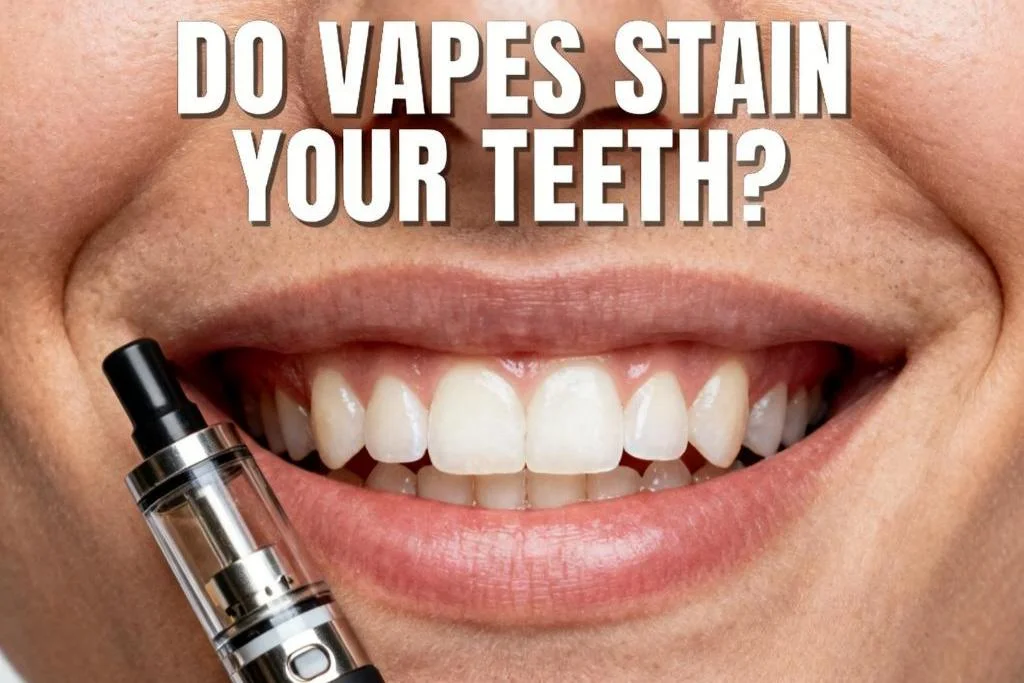
Vaping is often marketed as a cleaner alternative to smoking, but many users still worry about its impact on oral health. One of the most common questions is: do vapes stain your teeth? Vaping can stain your teeth, although typically less severely than traditional cigarettes. The degree of staining depends on factors such as nicotine content, e-liquid ingredients, vaping habits, and oral hygiene.
Why Vaping Can Stain Your Teeth
Unlike cigarettes, vapes don’t produce tar, which is the primary cause of deep tobacco stains. However, several components in e-liquids can still contribute to discoloration.
1. Nicotine Oxidation
Nicotine itself is colorless, but when exposed to oxygen, it can turn yellowish. Over time, this oxidation process can lead to gradual staining on tooth enamel, especially with frequent vaping.
2. Flavorings and Additives
Many e-liquids contain artificial flavorings and colorants. Dark-colored flavors such as coffee, cola, berry, or dessert blends are more likely to leave residue on enamel, similar to staining from certain foods and drinks.
3. Reduced Saliva Production
Vaping can cause dry mouth in some users. Saliva plays a key role in washing away bacteria and pigments, so reduced saliva may increase the risk of plaque buildup and surface stains.
4. Plaque and Bacteria Growth
Nicotine can affect oral bacteria balance, making it easier for plaque to accumulate. Plaque can trap pigments and lead to yellowing or dullness over time.
Are Vape Stains Worse Than Cigarette Stains?
Compared to smoking, vaping generally causes less severe staining because it lacks tar and combustion byproducts. However, that doesn’t mean vaping is harmless to your teeth. Long-term vapers may still experience noticeable discoloration, especially if oral care is poor or nicotine levels are high.
Other Oral Health Effects of Vaping
Beyond staining, vaping may also contribute to:
- Gum inflammation and sensitivity
- Bad breath (halitosis)
- Increased risk of cavities
- Slower healing of oral tissues
While research is still evolving, dental professionals increasingly warn that vaping can affect overall oral health, not just tooth color.
How to Prevent Teeth Staining from Vaping
If you vape and want to protect your smile, practical steps can reduce the risk of discoloration:
- Brush teeth at least twice daily with fluoride toothpaste
- Use an electric toothbrush for better plaque removal
- Floss daily and rinse with an alcohol-free mouthwash
- Stay hydrated to combat dry mouth
- Choose lighter-colored or nicotine-free e-liquids when possible
- Schedule regular dental cleanings
Professional whitening treatments can also help reverse existing stains, though results vary depending on the cause of discoloration.
Conclusion
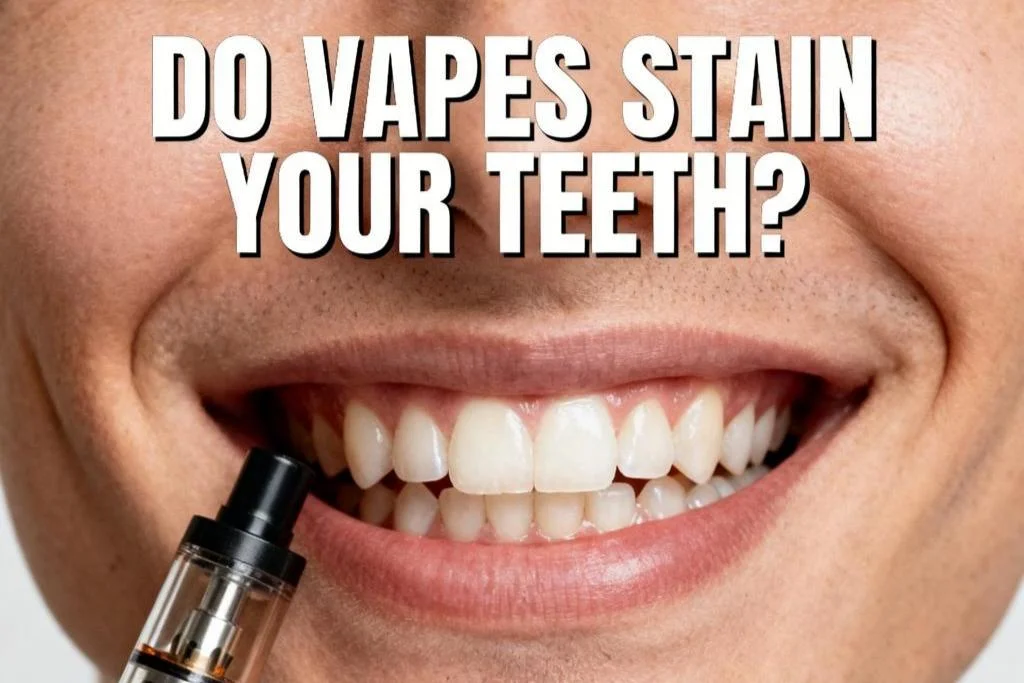
So, do vapes stain your teeth? Yes, they can—but usually less than cigarettes. Nicotine oxidation, flavorings, and plaque buildup are the main contributors. While vaping may reduce some staining compared to smoking, it still poses risks to dental health. Maintaining strong oral hygiene and informed vaping habits is key to minimizing discoloration and preserving a healthy smile.
FAQs
1. Can nicotine-free vapes stain your teeth?
Yes. Even without nicotine, flavorings and additives in e-liquids can still contribute to staining and plaque buildup, though the risk is generally lower.
2. How long does it take for vaping to stain teeth?
It varies by individual. Some users may notice subtle discoloration within months, while others may not see visible changes for years, depending on frequency and oral hygiene.
3. Are vape stains permanent?
Most vape-related stains are not permanent. They can often be reduced or removed through professional dental cleaning, whitening treatments, and improved oral care.
4. Do disposable vapes stain teeth more than refillable ones?
Not necessarily. Staining depends more on nicotine content, flavor type, and usage habits than the device itself.
5. What do dentists say about vaping and teeth?
Many dentists warn that vaping can contribute to staining, gum problems, and oral health issues. While it may be less damaging than smoking, it is not risk-free.