
Are Vapes Banned in US? What’s Really Happening in 2026
As discussions around vaping regulations continue growing across the United States, many consumers are searching for clear answers about whether vapes are being banned and what these changes mean for the industry. From Sikary’s perspective, the US market is entering a new stage focused on compliance, product quality, and responsible innovation rather than a complete shutdown of vaping products.
While stricter enforcement and flavor restrictions are reshaping the market, adult smokers still rely on vaping as an alternative to traditional cigarettes. Understanding the latest regulatory developments helps retailers, distributors, and consumers make informed decisions in an increasingly regulated environment.
Are Vapes Being Banned in the US?
Vapes are not completely banned across the United States. However, several categories of vape products face increasing restrictions, including:
- Flavored disposable vapes
- Unauthorized imported vape brands
- High-nicotine products targeting youth
- Products without FDA authorization
The FDA continues to review PMTA applications submitted by vape manufacturers. Products that do not receive authorization may legally face removal from the market.
This has created confusion among consumers, leading many people to search online for terms like “Are disposable vapes illegal now?” and “Will vaping be banned in all states?”
Why Is the US Cracking Down on Vapes?
The primary reason behind tighter vape regulations is youth vaping concerns. According to public health reports, flavored disposable devices remain especially popular among underage users. Regulators argue that stricter oversight is necessary to reduce youth access and limit unregulated products entering the market.
Several additional factors are also driving enforcement:
1. FDA Authorization Requirements
Under US law, vape products must receive FDA marketing authorization before being legally sold. Many disposable vape brands currently sold in convenience stores and online marketplaces have not completed this process.
2. Concerns About Illegal Imports
US customs agencies have increased inspections of imported vaping products, particularly devices manufactured overseas without regulatory approval.
3. State-Level Flavor Restrictions
Some states have introduced flavor bans that prohibit fruit, candy, dessert, or menthol vape products. Regulations vary significantly depending on location.
Which States Have Vape Restrictions?
Vape laws differ across the country. Some states enforce stricter rules than others, especially regarding flavored products.
States with major vaping restrictions or flavor bans include:
- California
- Massachusetts
- New York
- New Jersey
- Rhode Island
Other states continue allowing flavored vape sales through licensed retailers, although legislation changes frequently.
Consumers should always check local regulations before purchasing vape products online or traveling with vaping devices.
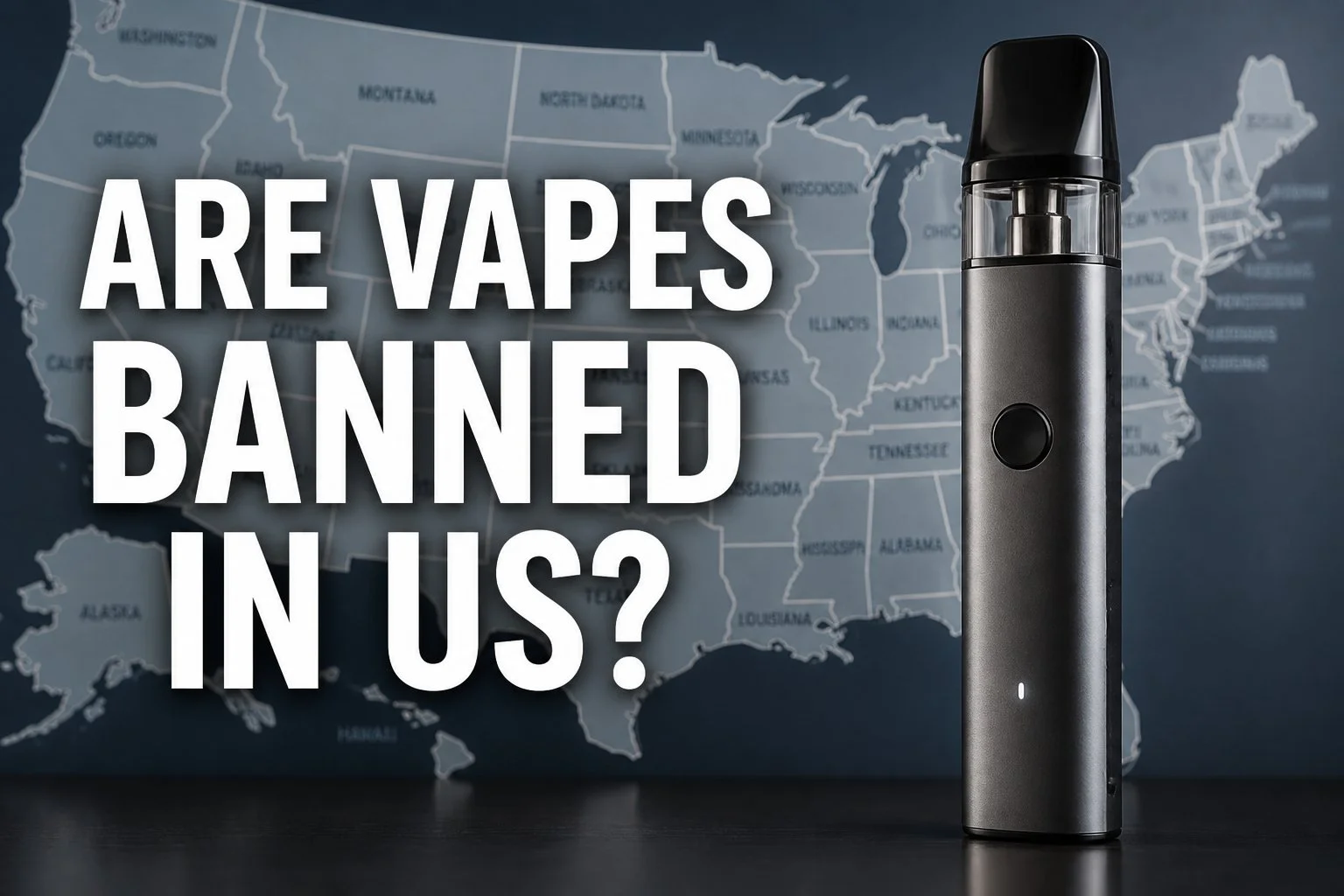
Are Disposable Vapes Illegal in the US?
Disposable vapes are not universally illegal, but many products currently sold in the US exist in a regulatory gray area.
The FDA has issued warning letters and import alerts targeting unauthorized disposable brands. Some retailers have also voluntarily removed products due to enforcement pressure.
This does not mean every disposable vape is banned. Authorized and compliant products may still remain available depending on state law and federal review status.
What Happens if the FDA Rejects a Vape Product?
If a vape manufacturer receives a Marketing Denial Order (MDO) from the FDA, the affected products may no longer be legally marketed in the United States.
Manufacturers can:
- Appeal the decision
- Submit additional scientific evidence
- Reformulate products
- Pursue legal challenges
The PMTA process remains one of the most important factors shaping the future of the US vaping industry.
Will the US Ban Flavored Vapes Nationwide?
At the moment, there is no confirmed nationwide ban on all flavored vapes. However, flavored products remain under heavy regulatory scrutiny.
Federal regulators continue debating whether flavored e-cigarettes provide more benefit for adult smokers switching away from combustible cigarettes than risk for youth initiation.
Because of this ongoing debate, the future of flavored vaping products in the US remains uncertain.
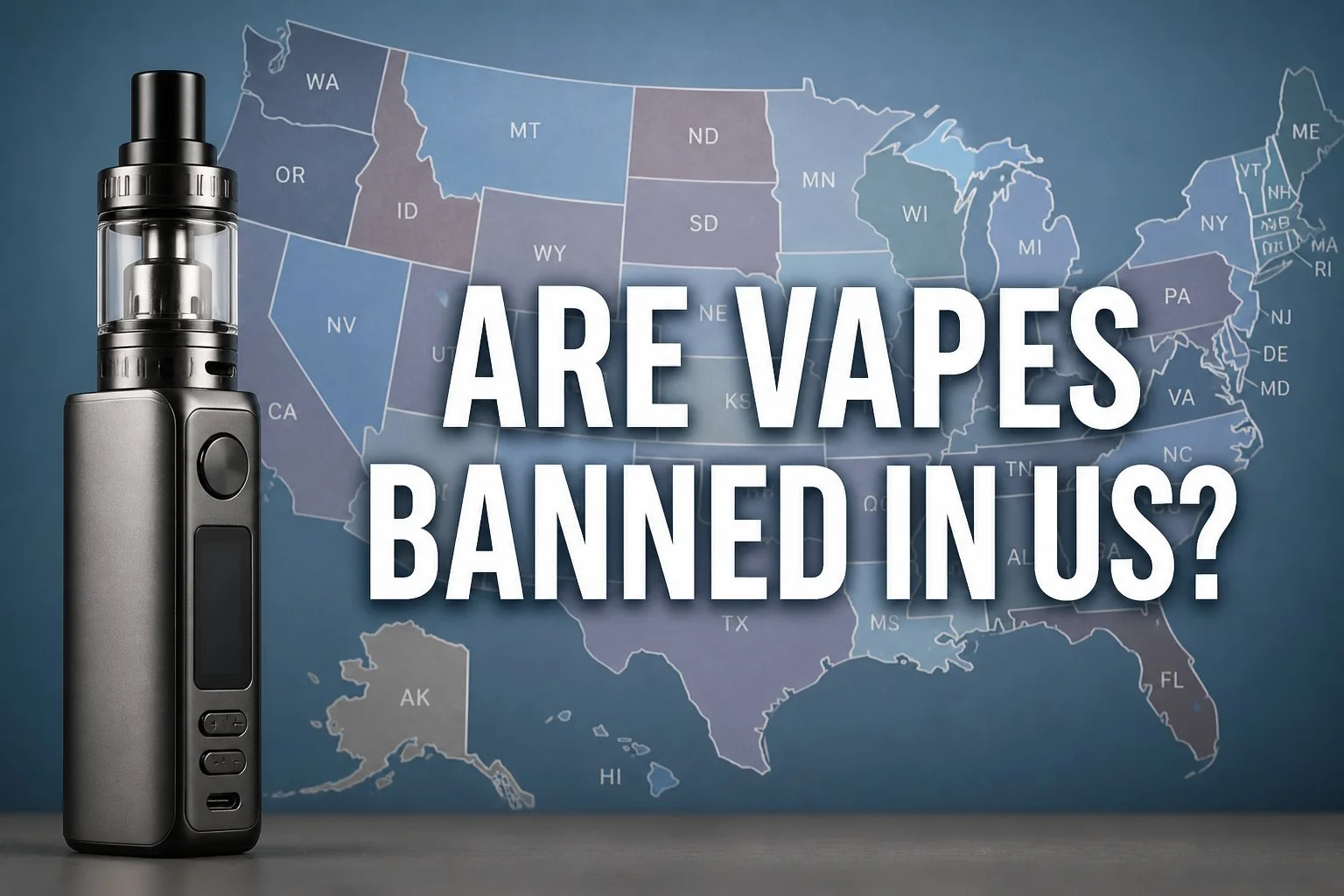
How Are Vape Bans Affecting Retailers?
Retailers face growing challenges due to shifting regulations and enforcement actions. Many vape shops now deal with:
- Inventory uncertainty
- Product seizures
- Payment processing difficulties
- Advertising restrictions
- Compliance costs
Some stores have shifted toward refillable pod systems and FDA-authorized products to reduce legal risks.
What Should Consumers Know Before Buying Vapes?
Consumers should pay attention to:
- FDA authorization status
- State and local vape laws
- Nicotine concentration limits
- Authenticity verification
- Age verification requirements
Buying from reputable retailers is increasingly important as counterfeit and unauthorized products continue circulating online.
Conclusion
Vaping regulations in the United States are becoming stricter as federal and state authorities increase oversight on flavored and unauthorized disposable vape products. Sikary believes, the industry is moving toward higher compliance standards, better product transparency, and responsible market development rather than a complete vape ban. Adult consumers continue looking for reliable alternatives to cigarettes, while manufacturers and retailers must adapt to evolving FDA regulations and changing state laws.
FAQs
1. Are vapes being banned in the US in 2026?
No, vapes are not completely banned in the United States. However, federal and state authorities are increasing restrictions on flavored vape products, disposable devices, and unauthorized brands that do not meet FDA requirements.
2. Why is the FDA removing some vape products from the market?
The FDA requires vape manufacturers to submit Premarket Tobacco Product Applications (PMTA). Products that fail to receive authorization may face enforcement actions, including import bans, warning letters, or removal from stores.
3. Which states have banned flavored vapes?
Several states, including California, Massachusetts, New York, and New Jersey, have introduced flavor restrictions or bans on certain vaping products. Laws vary depending on local regulations.
4. Are disposable vapes illegal in America?
Disposable vapes are not fully illegal nationwide, but many imported disposable products are considered unauthorized by the FDA. Enforcement against these products has increased significantly in recent years.
5. Can adults still legally buy vapes in the US?
Yes. Adults over the legal smoking age can still purchase vaping products in many states, although age verification, shipping restrictions, and local vape laws may apply.