
How Are Vapes Made? Inside the Manufacturing Process of Modern E-Cigarettes
As the global vaping market continues to evolve under tighter regulatory oversight and growing consumer scrutiny, one question remains common among readers: how are vapes made?
Whether the device is a closed-system disposable or a refillable pod kit, the production process combines industrial design, electronics engineering, pharmaceutical-grade liquid formulation, and strict quality control. Understanding how vapes are manufactured helps consumers assess product safety, compliance, and overall reliability.
This guide breaks down the vape manufacturing process step by step, aligning with current industry standards and regulatory frameworks.
What Is a Vape Made Of?
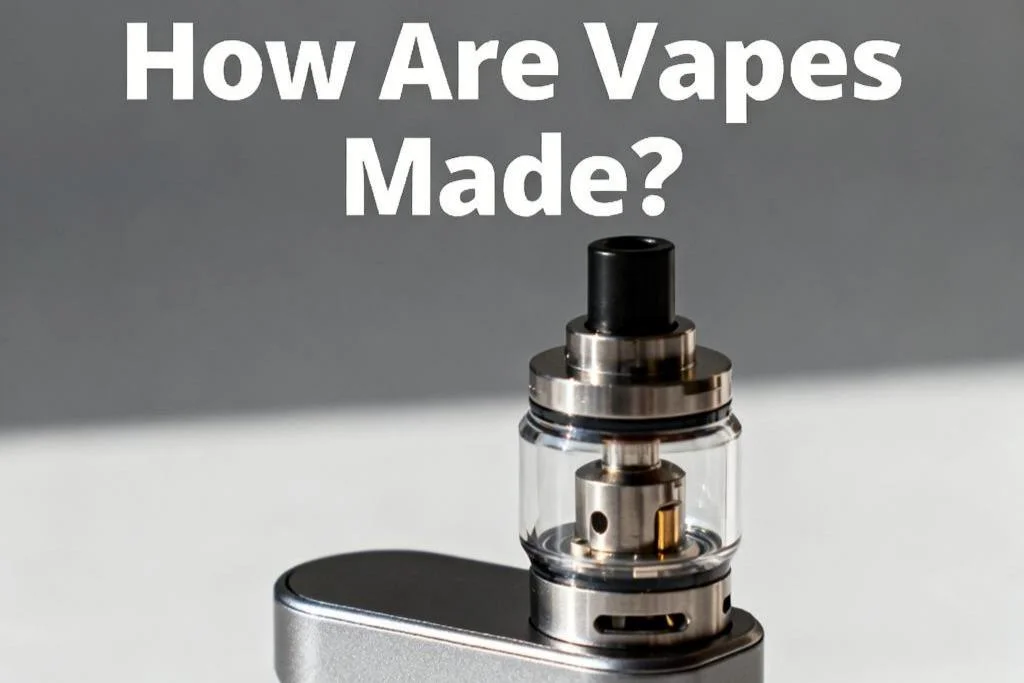
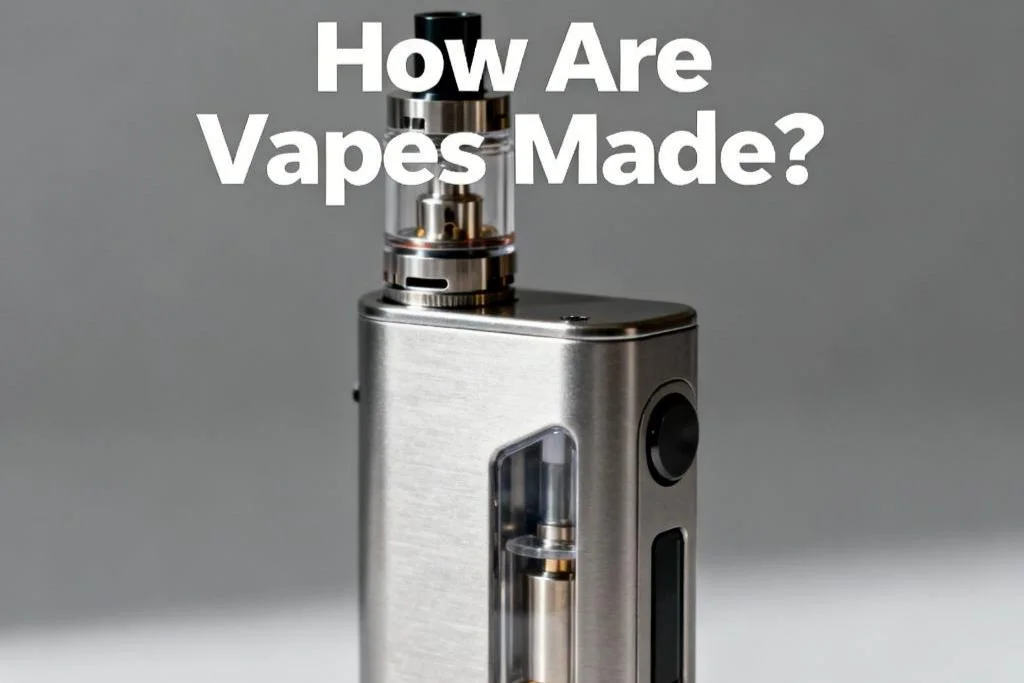
Most modern vapes consist of three core components:
- Battery system (typically lithium-ion)
- Atomization unit (coil, wick, airflow structure)
- E-liquid reservoir (pre-filled or refillable)
Depending on the product type — disposable vape, pod system, or box mod — complexity and customization levels vary.
Device Design and Engineering
Manufacturing begins with industrial design and electrical engineering.
Product Concept and CAD Modeling
Engineers use CAD software to design:
- Internal battery placement
- Airflow channels
- Coil housing
- PCB (printed circuit board) protection layout
Manufacturers must ensure compliance with regional regulations, such as:
- Premarket authorization standards in the United States under the U.S. Food and Drug Administration
- Product notification requirements under the Medicines and Healthcare products Regulatory Agency in the UK
Safety features typically include:
- Overcharge protection
- Short-circuit protection
- Overheat cutoff
- 8–10 second puff limiters
Manufacturing the Hardware Components
1. Battery Production
Most vape batteries use lithium-ion cells manufactured by specialized battery suppliers. Cells are tested for:
- Capacity stability
- Charge/discharge cycle durability
- Thermal safety
The battery is integrated with a protection circuit module (PCM) before installation into the vape housing.
2. Coil and Atomizer Assembly
The atomizer includes:
- Resistance wire (commonly Kanthal, mesh, or stainless steel)
- Cotton wick (often organic cotton)
- Metal housing
Automated machinery wraps coils or stamps mesh heating elements. Precision matters — resistance values must match the device’s intended wattage range.
3. Outer Shell Manufacturing
The casing is typically:
- Aluminum alloy
- Food-grade plastic (PCTG)
- Stainless steel (for premium devices)
Injection molding or CNC machining is used depending on the product tier.
How E-Liquid Is Made
The e-liquid manufacturing process resembles pharmaceutical-grade mixing more than traditional tobacco production.
1. Core Ingredients
- Propylene Glycol (PG)
- Vegetable Glycerin (VG)
- Nicotine (freebase or nicotine salt)
- Food-grade flavorings
Nicotine salts, popularized by brands like JUUL Labs, allow smoother inhalation at higher nicotine strengths.
2. Mixing Process
In regulated facilities:
- Ingredients are measured using calibrated laboratory equipment.
- Mixing occurs in stainless steel tanks under controlled temperatures.
- Samples undergo laboratory testing for: Nicotine concentration accuracy Microbial contamination Heavy metals
In compliant markets, batches must meet standards set by regulators such as the U.S. Food and Drug Administration.
Filling and Assembly
Once hardware and e-liquid are prepared:
- Automated filling machines inject precise liquid volumes into pods or disposable tanks.
- Silicone seals are installed to prevent leakage.
- Mouthpieces are ultrasonically welded or pressure-fitted.
- Devices undergo airflow and draw activation testing.
High-volume factories can produce tens of thousands of units per day.
Quality Control and Compliance Testing
Reputable manufacturers implement multi-stage quality control:
1. Electrical Testing
- Battery discharge testing
- Short-circuit simulation
- Activation reliability checks
2. Leak Testing
Devices are pressure-tested to ensure seals are intact.
3. Chemical Testing
Independent laboratories may test for:
- Diacetyl
- Heavy metals
- Residual solvents
In the UK and EU, products must comply with limits under the Tobacco Products Directive (TPD), while in the U.S., manufacturers must submit applications through the U.S. Food and Drug Administration.
Packaging and Distribution
Packaging requirements vary by region and often include:
- Health warnings
- Nicotine addiction statements
- Child-resistant packaging
- Ingredient disclosure
Exported products must meet destination-country labeling laws.
Where Are Most Vapes Manufactured?
A significant portion of the world’s vape hardware is produced in Shenzhen, China — often referred to as the global hub of vape manufacturing. Many well-known brands operate OEM (Original Equipment Manufacturer) facilities there.
However, e-liquid manufacturing may occur locally in markets with stricter regulatory frameworks.
Are Vapes Made Safely?
Safety largely depends on:
- Manufacturer compliance
- Ingredient sourcing
- Quality control standards
- Regulatory oversight
Unregulated or counterfeit products pose significantly higher risks, particularly regarding battery integrity and liquid contamination.
Consumers should purchase from verified retailers and look for traceable batch numbers.
Conclusion
Understanding how vapes are made reveals that modern e-cigarettes are engineered consumer electronics combined with carefully formulated nicotine liquids. While quality varies by brand and market, reputable manufacturers operate under increasingly strict regulatory frameworks designed to improve safety and transparency.
For consumers and industry observers alike, manufacturing transparency is becoming just as important as flavor variety or puff count in evaluating today’s vape products.
FAQs
1. How long does it take to manufacture a vape?
Hardware production can take weeks from design to mass production. Once in full-scale manufacturing, large factories can assemble thousands of devices daily.
2. Are vape ingredients pharmaceutical grade?
Reputable manufacturers use USP-grade PG and VG and pharmaceutical-grade nicotine, though standards vary by region.
3. Do all vapes come from China?
Most hardware is manufactured in Shenzhen, China, but e-liquids and final assembly may occur in the U.S., UK, or Europe.
4. How are disposable vapes different in manufacturing?
Disposable vapes integrate the battery, liquid reservoir, and coil into a sealed unit. They are pre-filled and pre-charged, eliminating refill and recharge steps in most cases.
5. Are vapes tested before being sold?
Yes. Compliant manufacturers conduct electrical, chemical, and leak testing before distribution. In regulated markets like the U.S. and UK, products must meet standards enforced by agencies such as the FDA and MHRA.